 Tel:+86-575 -87957662
 Email:
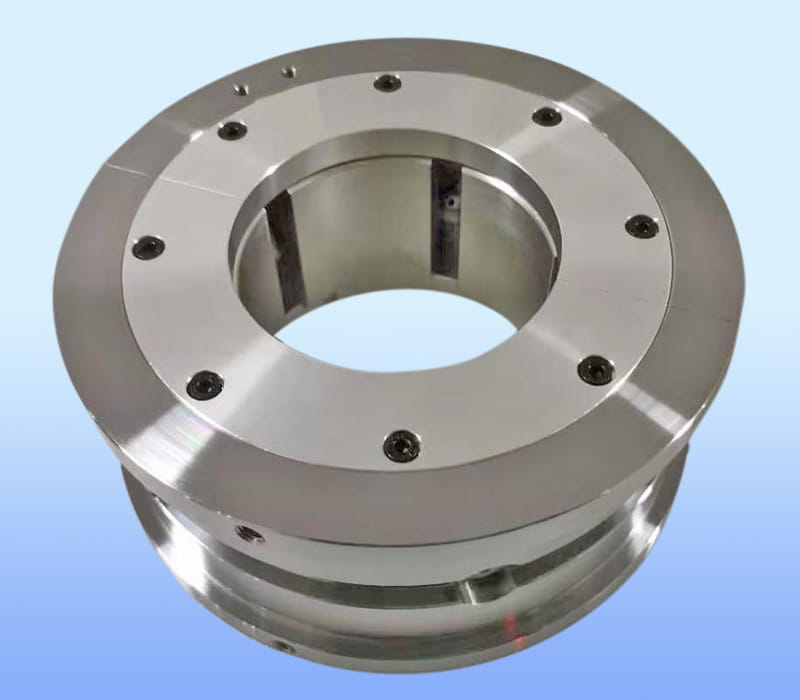
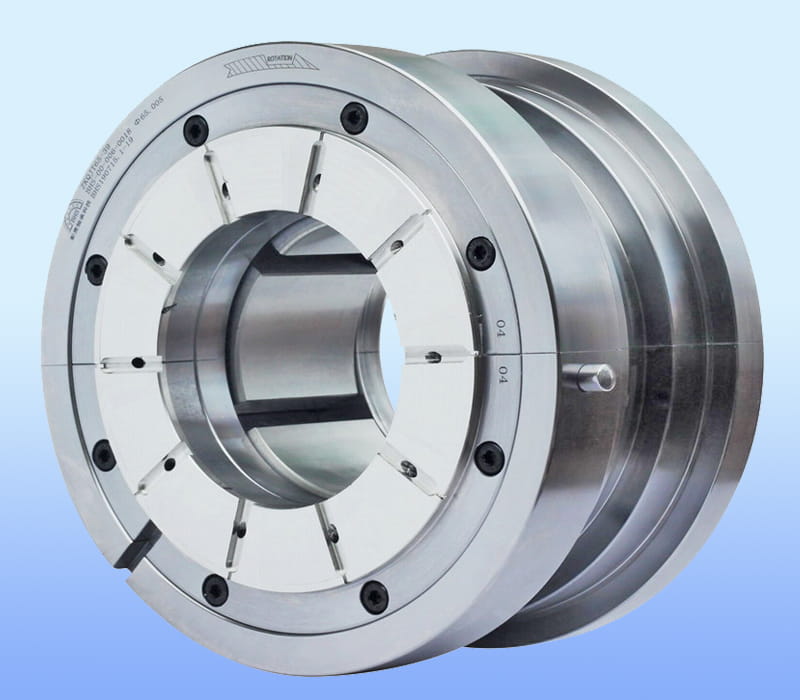
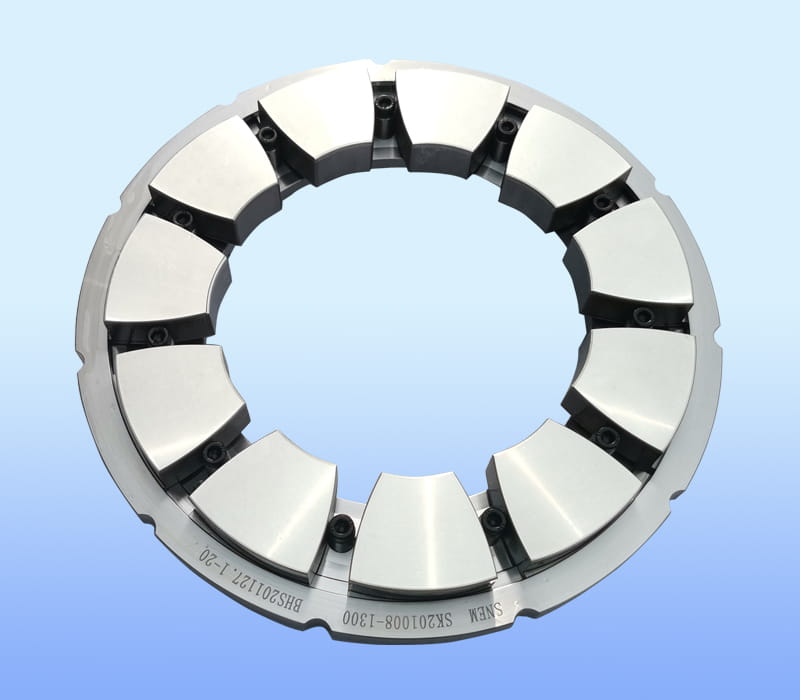
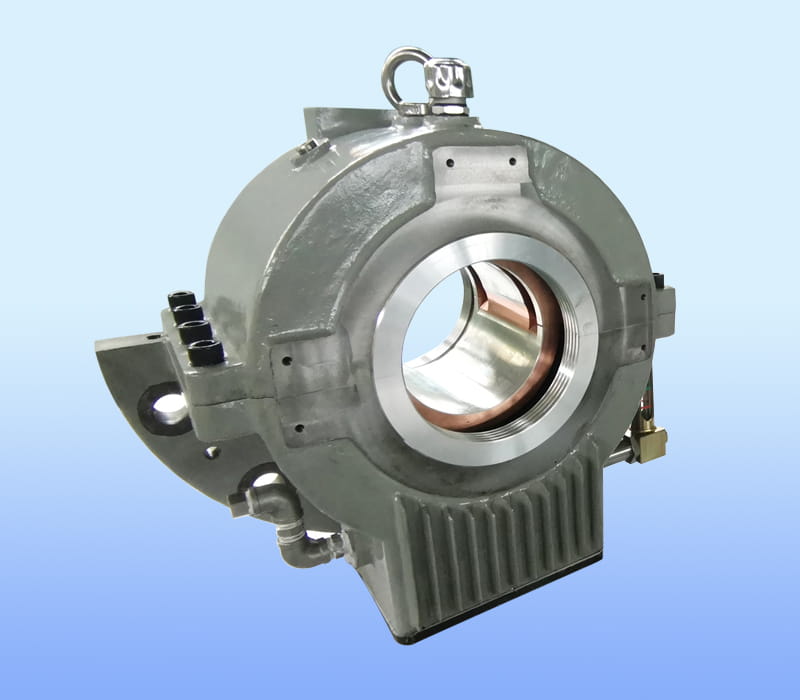
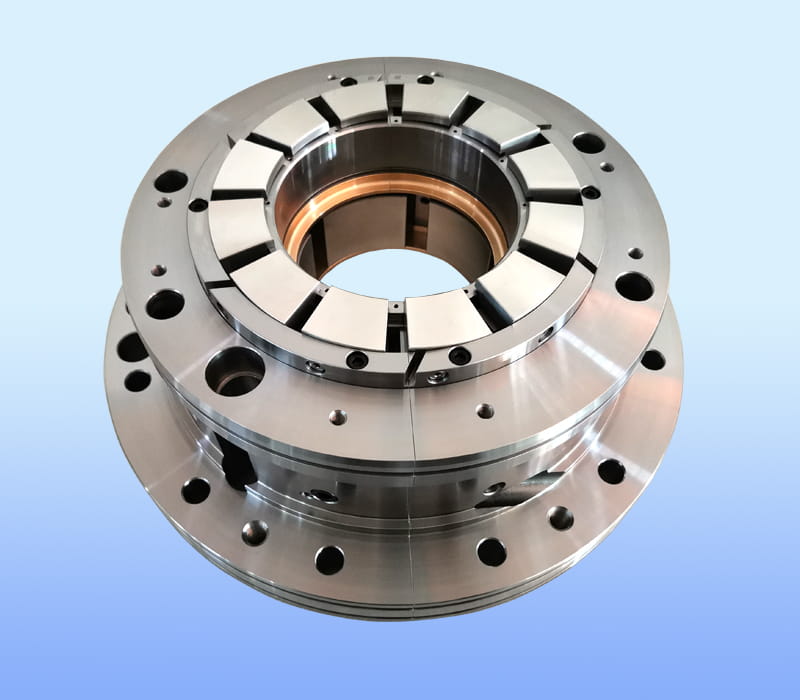
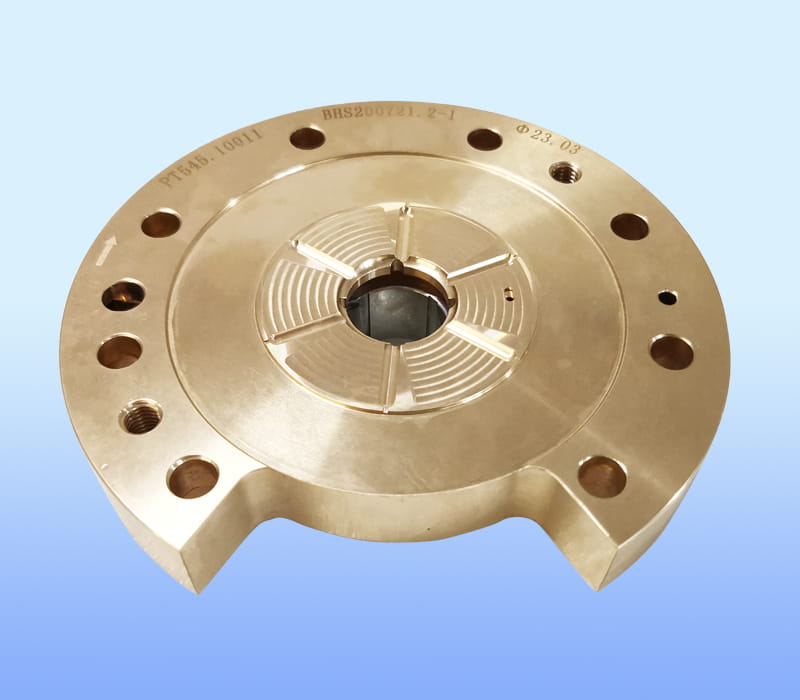
ZHEJIANG BHS JOURNAL BEARING CO.,LTD. واقع در منطقه FengXian شانگهای، شرکت BHS، یک حرفه ای است تولید کنندگان یاتاقان های رانش پد کج و کارخانه بلبرینگ لنت کج...

در قلمرو ماشینهای دوار، قطعات کمی به اندازه بلبرینگ مسئولیت دارند - از نظر واقعی و کاربردی -. وقتی بحث به کمپرسورها محدود می شود، اهمیت این بخش به ظاهر کوچک به طور تصاعدی چند برابر می شود. کمپرسور انرژی مکانیکی را به انرژی سیال تبدیل می کند، اغلب تحت فشار بالا، دماهای بالا و چرخه های کاری پایدار. در قلب این فرآیند نهفته است compressor bearing ، یک عنصر دقیق که نه تنها آزادی چرخشی بلکه هم ترازی، کنترل ارتعاش و عمر خستگی را دیکته می کند. Selecting the wrong bearing does not merely invite premature wear; خطر خرابی فاجعه بار، خرابی برنامه ریزی نشده و خطرات ایمنی را به همراه دارد. Thus, understanding why bearing selection is critical in compressors is not an engineering nicety—it is an operational necessity.
قبل از تشریح معیارهای انتخاب، باید بدانید که یک یاتاقان در داخل یک کمپرسور چه کاری انجام می دهد. در ساده ترین حالت، یک یاتاقان از یک محور چرخان پشتیبانی می کند و در عین حال اصطکاک را به حداقل می رساند. با این حال، در یک کمپرسور، تقاضاها تشدید می شود. The shaft carries impellers, rotors, or scroll elements that compress gas or vapor. These components generate radial and axial forces, sometimes simultaneously. بنابراین یک بلبرینگ کمپرسور باید مدیریت کند:
بدون یاتاقان مناسب انتخاب شده، اصطکاک افزایش می یابد، گرما ایجاد می شود و فاصله ها تغییر می کند. در کمپرسورهای بدون روغن، چالش بزرگتر میشود، زیرا یاتاقانها باید بدون فیلمهای روانکننده سنتی کار کنند. In refrigerant compressors, chemical compatibility with refrigerants and oils becomes paramount. از این رو، انتخاب یک یاتاقان کمپرسور به طور مستقیم بر بهره وری انرژی، سطوح نویز، امضای ارتعاش و فواصل تعمیرات اساسی تأثیر می گذارد.
When engineers overlook bearing selection nuances, several failure modes emerge. Each carries distinct operational and financial penalties.
| حالت شکست | علت اولیه مربوط به انتخاب | نتیجه معمولی |
|---|---|---|
| ریزش خستگی | رتبه بار دینامیکی دست کم گرفته شده است | افزایش ارتعاش، گردش زباله |
| گرم شدن بیش از حد | ترخیص داخلی یا رتبه بندی سرعت نادرست | تخریب روان کننده، تشنج |
| شکستگی قفس | مواد یا طرح قفس ناسازگار | قفل شدن ناگهانی، آسیب روتور |
| برینینگ کاذب | نوع بلبرینگ اشتباه برای لرزش آماده به کار | فرسودگی راه آهن در طول دوره های بیکاری |
| فلوتینگ الکتریکی | عدم وجود عایق در کمپرسورهای VFD | صدای بلبرینگ زودرس، آسیب سطح |
فراتر از این خرابی های گسسته، انتخاب ضعیف باعث کاهش کارایی حجمی می شود. When a bearing allows excessive radial runout, the compression gap widens, allowing internal gas leakage. کمپرسوری که به محض تحویل جریان نامی ممکن است 5 تا 15 درصد ظرفیت خود را در بیصدا از دست بدهد که توسط سایر متغیرهای تعمیر و نگهداری پوشانده شده است. به طور مشابه، بازی محوری فراتر از مشخصات، موقعیت روتور را نسبت به حلقه های ثابت یا صفحات انتهایی تغییر می دهد و نسبت تراکم را به صورت دینامیکی تغییر می دهد. These subtle performance losses accumulate into significant energy waste over months.
Every compressor operates under a specific load profile. Reciprocating compressors produce highly pulsating loads because each piston stroke creates torque variation. Scroll and screw compressors deliver smoother, but still cyclically varying, loads due to intermittent compression chambers. در مقابل، کمپرسورهای گریز از مرکز، بارهای شعاعی ثابت و با سرعت بالا را تحمیل می کنند، اما همچنین نیروی رانش قابل توجهی را از اختلاف فشار در سراسر پروانه ها تحمیل می کنند.
For reciprocating applications, the compressor bearing must tolerate shock loads. Roller bearings with thicker rolling elements or specialized steel grades become necessary. In screw compressors, paired rotors generate both radial and axial forces; بنابراین، بلبرینگ های تماس زاویه ای یا رولبرینگ های مخروطی رایج هستند. Centrifugal machines often employ tilting-pad journal bearings for radial support and double-acting thrust bearings for axial control. انتخاب نوع بلبرینگی که با ماهیت بار مطابقت ندارد - به عنوان مثال، استفاده از بلبرینگهای شیار عمیق در محیطی با شوک زیاد - باعث تسریع فرورفتگی و ریزش موی مسیر میشود.
سرعت فقط مربوط به رتبه بندی RPM نیست. It involves the bearing’s limiting speed factor, which depends on lubricant viscosity, cage design, and heat dissipation capacity. کمپرسورهای پرسرعت، مانند کمپرسورهایی که در واحدهای توربو اکسپندر-کمپرسور استفاده میشوند، به بلبرینگهای دقیق با قفسهای سبک (رزین فنولی، PEEK یا برنجی) نیاز دارند. Standard stamped steel cages may deform under centrifugal force, causing cage instability and subsequent roller skew.
دما فیلتر دیگری را تحمیل می کند. Compression heats gas; گرما به شفت ها و یاتاقان ها منتقل می شود. A compressor bearing operating at 120°C continuously requires different internal clearance (C3 or C4) than one operating at 70°C. Ignoring thermal expansion risks bearing seizure when the shaft expands more than the housing. Conversely, oversized clearance in a cold-running compressor leads to excessive vibration and poor load distribution. Moreover, high temperatures degrade standard greases and reduce oil film thickness. برای کمپرسورهایی که از مبردهای هیدروکربنی استفاده می کنند، مواد یاتاقان باید در برابر حمله شیمیایی ناشی از محصولات جانبی اسیدی تولید شده تحت عملیات در دمای بالا مقاومت کنند.
Lubrication is the lifeblood of any rolling or sliding bearing. In compressors, the lubricant serves dual roles: cooling and sealing. Oil-flooded screw compressors circulate large volumes of oil that carry away compression heat and seal rotor clearances. روغن همچنین بلبرینگ کمپرسور را روان می کند. However, the same oil may contain particulate debris from rotor contact or aging breakdown. Bearings in these environments need enhanced debris tolerance—hence, modified internal geometry or hardened raceways.
Oil-free compressors eliminate oil from the compression chamber but still require bearing lubrication. Often, grease-lubricated bearings are separated from the compression zone via seals or magnetic couplings. در اینجا، انتخاب بلبرینگ کمپرسور باید فواصل روغنکاری مجدد، عمر گریس در دمای کارکرد و مقاومت در برابر ورود گاز فرآیند را در صورت تخریب آببندها در نظر بگیرد. For refrigerant compressors, the bearing lubricant is a mixture of refrigerant and oil. مخلوطهای با ویسکوزیته پایین نیازمند یاتاقانهایی با روکشهای سطحی خاص (مانند DLC یا فسفات) هستند تا از تماس فلز با فلز در هنگام راهاندازی یا شرایط گذرا جلوگیری کنند.
The table below summarizes lubrication-based selection considerations:
| Lubrication Type | Bearing Requirement | Risk if Mismatched |
|---|---|---|
| غرق روغن (ویسکوزیته بالا) | Larger internal clearances, debris-resistant materials | گرسنگی در هنگام شروع سرد، گرمای بیش از حد |
| Oil-free / Grease | گریس با عمر طولانی، یاتاقان های محافظ یا مهر و موم شده | Premature grease degradation, contamination ingress |
| Refrigerant-oil mixture | Anti-corrosion coatings, optimized surface finish | سایش ناشی از استحکام فیلم کم، خوردگی شیمیایی |
| روغن کاری شده با گاز فرآیندی (تخصصی) | Self-lubricating materials (e.g., PTFE composites) | سایش سریع، تشنج تحت بار |
Bearing manufacturers provide standardized life calculations (L10, L10h) based on dynamic load rating and equivalent load. However, many compressor failures arise from applying these ratings without system adjustments. A compressor bearing may see variable loads due to suction pressure fluctuations, discharge pulsations, or occasional liquid slugging. Direct application of steady-state life formulas underestimates actual fatigue. Furthermore, life calculations assume clean lubrication and alignment—conditions rarely maintained in field operations.
انتخاب هوشمند شامل عوامل ایمنی است: 2 برابر تا 3 برابر عمر مورد نیاز برای کمپرسورهای حیاتی، به ویژه در صنایع فرآیند پیوسته (پالایش، کارخانه های شیمیایی، انتقال گاز). Additionally, life adjustments for contamination (using life modification factors a2 and a3 per ISO 281) are essential. انتخاب یک یاتاقان صرفاً در رتبه بار پایه بدون در نظر گرفتن نسبت ویسکوزیته عملیاتی (κ) و سطح آلودگی (ηc) منجر به خرابی زودرس می شود که تکنسین ها اغلب به اشتباه آن را به عنوان مشکلات کیفیت روغن تشخیص می دهند.
Bearings influence compressor acoustics and mechanical stability. Loose internal clearance allows the shaft to orbit within the bearing clearance, generating subsynchronous vibration. In high-speed centrifugal compressors, this orbital motion can trigger rotordynamic instability, causing fluid-induced whirl or whip. Those phenomena damage seals, impellers, and bearings simultaneously. برعکس، پیش بارگذاری بیش از حد در یاتاقان های تماس زاویه ای، سفتی را افزایش می دهد اما میرایی را کاهش می دهد و ارتعاشات با فرکانس بالا را به محفظه و لوله های متصل منتقل می کند.
برای کمپرسورهای رفت و برگشتی، یاتاقان کمپرسور باید بارهای متناوب را بدون بازی شعاعی بیش از حد مدیریت کند، در غیر این صورت بارهای جانبی پیستون باعث سایش سیلندر می شود. Variable-speed drives (VSD) complicate matters further. Bearings must operate across a speed range, avoiding natural frequencies of the shaft-bearing system. A bearing that performs silently at 1500 RPM may resonate at 2400 RPM, accelerating cage wear. Therefore, selection involves not only static load ratings but also eigenvalue analysis of the assembled rotor-bearing system.
هیچ تحملی برای همیشه دوام نمی آورد. But selection dictates how and when replacement occurs. Some compressor designs place bearings in split housings, allowing inspection without major disassembly. Others—especially integrally geared compressors—require complete teardown to replace a single compressor bearing. در چنین مواردی، انتخاب بلبرینگهایی با طول عمر ثابت (مانند بلبرینگهای سرامیکی هیبریدی) ممکن است هزینههای اولیه بالاتر را به دلیل جلوگیری از خرابی توجیه کند.
Predictive maintenance methods—vibration analysis, oil debris monitoring, thermography—all depend on bearing failure modes. Selecting bearings with known failure progression (e.g., gradual spalling versus sudden cage fracture) allows operators to plan interventions. حالتهای خرابی فاجعهبار در کمپرسورهایی که هوای استریل دارویی یا سیستمهای هوای ابزار پالایشگاهی را ارائه میکنند، غیرقابل قبول است، جایی که خاموش شدن ناگهانی تولید یا ایمنی را به خطر میاندازد. Thus, bearing selection includes selecting failure mode characteristics, not just load and speed capacities.
Bearing selection in compressors cannot be an afterthought. It is a strategic decision that affects energy consumption, reliability, maintenance frequency, and total cost of ownership. The compressor bearing sits at the intersection of mechanical loads, thermal conditions, lubrication chemistry, and operational dynamics. A mismatch in any one parameter degrades performance; عدم تطابق در دو یا چند شکست گارانتی.
Engineers and maintenance professionals must move beyond generic bearing catalogs. They must analyze load spectra, thermal transients, contamination sources, and access constraints. They must calculate not just L10 life, but also lubricant life, contamination adjustment, and vibration thresholds. When done correctly, the chosen bearing operates quietly, efficiently, and predictably for years. When done poorly, the bearing becomes the weakest link—and compressors simply cannot afford weak links.
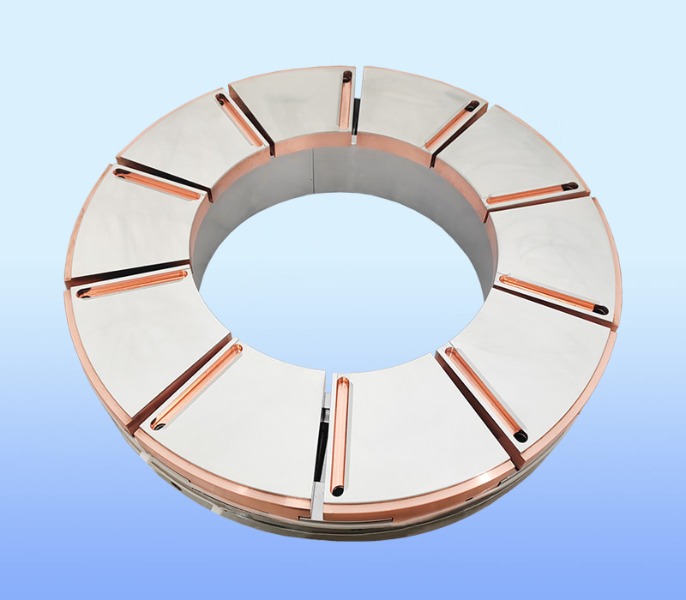

ZHEJIANG BHS JOURNAL BEARING CO.,LTD. واقع در منطقه FengXian شانگهای، شرکت BHS، یک حرفه ای است تولید کنندگان یاتاقان های رانش پد کج و کارخانه بلبرینگ لنت کج...
حق چاپ © 2017 ZHEJIANG BHS JOURNAL BEARING CO.,LTD. تمامی حقوق محفوظ است. تولید کنندگان بلبرینگ ژورنال پد کج چین
